Class Demonstrations
Executing Pedagogical Competence
Class demonstrations serve as the core assessment and culminating experience of the SEA-Teacher program. Through structured teaching practice sessions, pre-service teachers apply theoretical pedagogy, manage real-world classroom dynamics, and conduct psychomotor evaluations within a cross-cultural educational framework spanning February 16-23, 2026.
Participants
Grade 11 (11-Voyagers & 11-Originators)
General Overview
Important and concise information about this activity
Core Assessment
Two primary teaching demonstrations (Basketball and Volleyball) serving as the definitive SEA-Teacher program evaluation.
Pedagogical Adaptation
Overcoming language barriers through precise visual modeling and demonstrating psychomotor mastery in cross-cultural education.
Field Management
Mastering voice projection and whistle signals for effective outdoor learning spaces in Philippine physical education.
Mentorship Excellence
Rigorous post-teaching reflection and professional development guided by Cooperating Teacher Sir Mark Alvin R. Samson.
Teaching Demonstrations & Pedagogical Execution
Comprehensive breakdown of teaching demonstrations, evaluative metrics, and strategic implementations
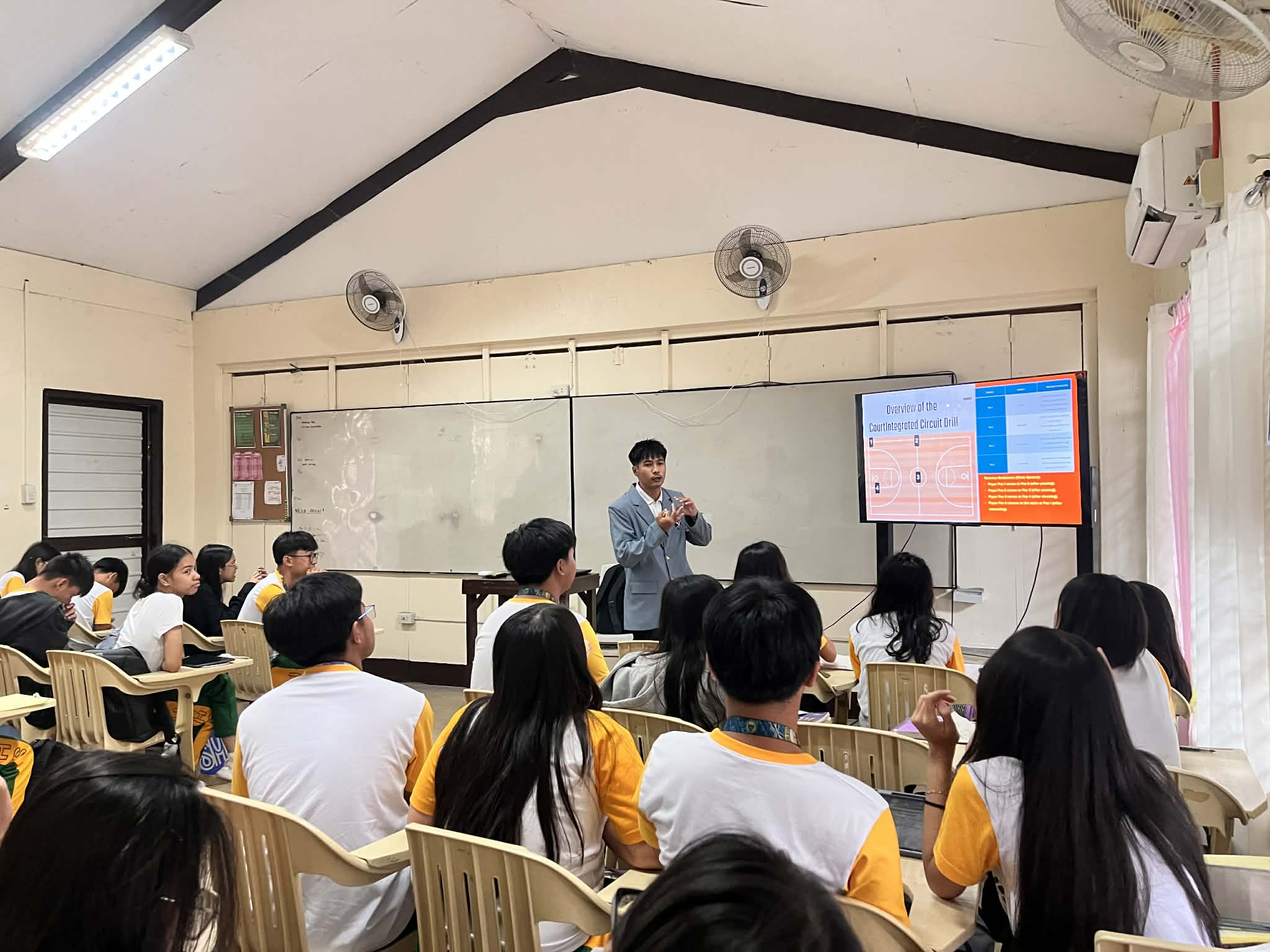
First Teaching Demo: Basketball Fundamentals
Conducted February 16, 2026 with Grade 11-Voyagers, focusing on establishing foundational psychomotor skills and individual competency assessment.
- Executed structured lesson plan targeting basic basketball mechanics and fundamental movements
- Conducted individualized skill assessments measuring each student's psychomotor proficiency accurately
- Integrated continuous class observation insights to maintain student engagement in outdoor setting
- Applied direct instruction methods specifically tailored for secondary-level physical education curricula
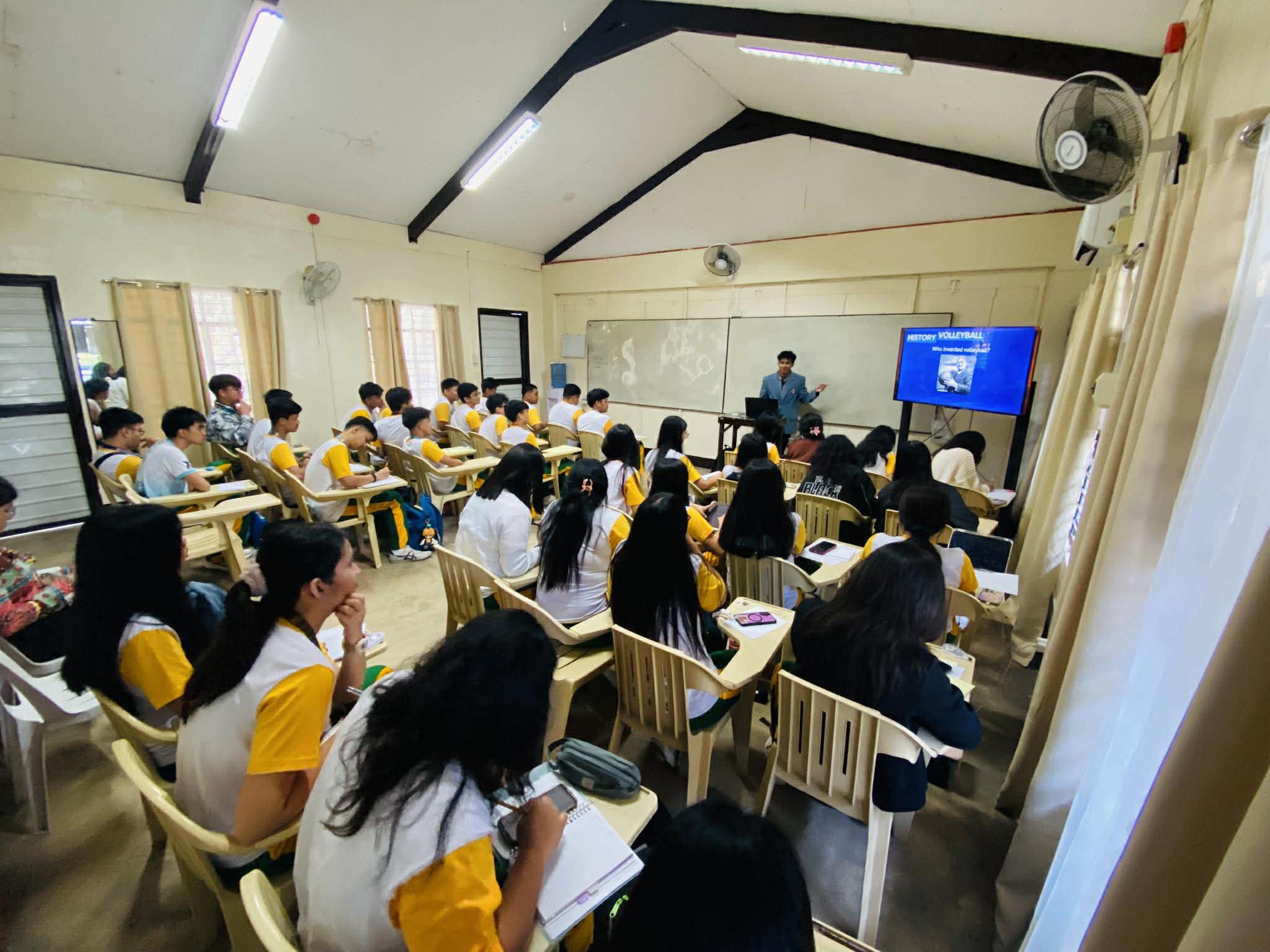
Final Teaching Demo: Volleyball & Team Coordination
Conducted February 23, 2026 with Grade 11-Originators, transitioning focus from individual capability to collaborative physical execution and tactical play.
- Facilitated comprehensive training on fundamental volleyball techniques and spatial awareness
- Orchestrated team-based drills enhancing interpersonal coordination and strategic gameplay
- Evaluated collective team performance with emphasis on communication and sportsmanship
- Demonstrated advanced classroom management techniques applicable to large student groups in open-field environments
Cross-Cultural Pedagogical Insights
Strategic analysis of Philippine teaching practice framework compared to Indonesian educational context, revealing unique competency requirements.
- Transition from indoor-dominated PE facilities in Indonesia to robust open-field culture in Philippines necessitates heightened auditory classroom management mastery
- Language barrier in transnational physical education most effectively mitigated through universal kinesthetic vocabulary and precise physical modeling over complex verbal discourse
- Developed inclusive communication strategies accommodating diverse learning speeds within foreign curriculum frameworks
- Enhanced global educator competencies through continuous real-time adaptive teaching during active sessions
Mentorship & Constructive Reflection
Post-demonstration evaluations providing critical pedagogical insights and shaping continuous improvement of teaching methodologies.
- Received targeted feedback on accuracy and clarity of visual modeling during physical demonstrations
- Analyzed operational effectiveness of vocal projection and whistle utilization in expansive outdoor learning environments
- Formulated adaptive strategies ensuring instructional clarity and material comprehension despite linguistic constraints
- Documented progressive pedagogical improvements transitioning from local teaching habits to international educational standards
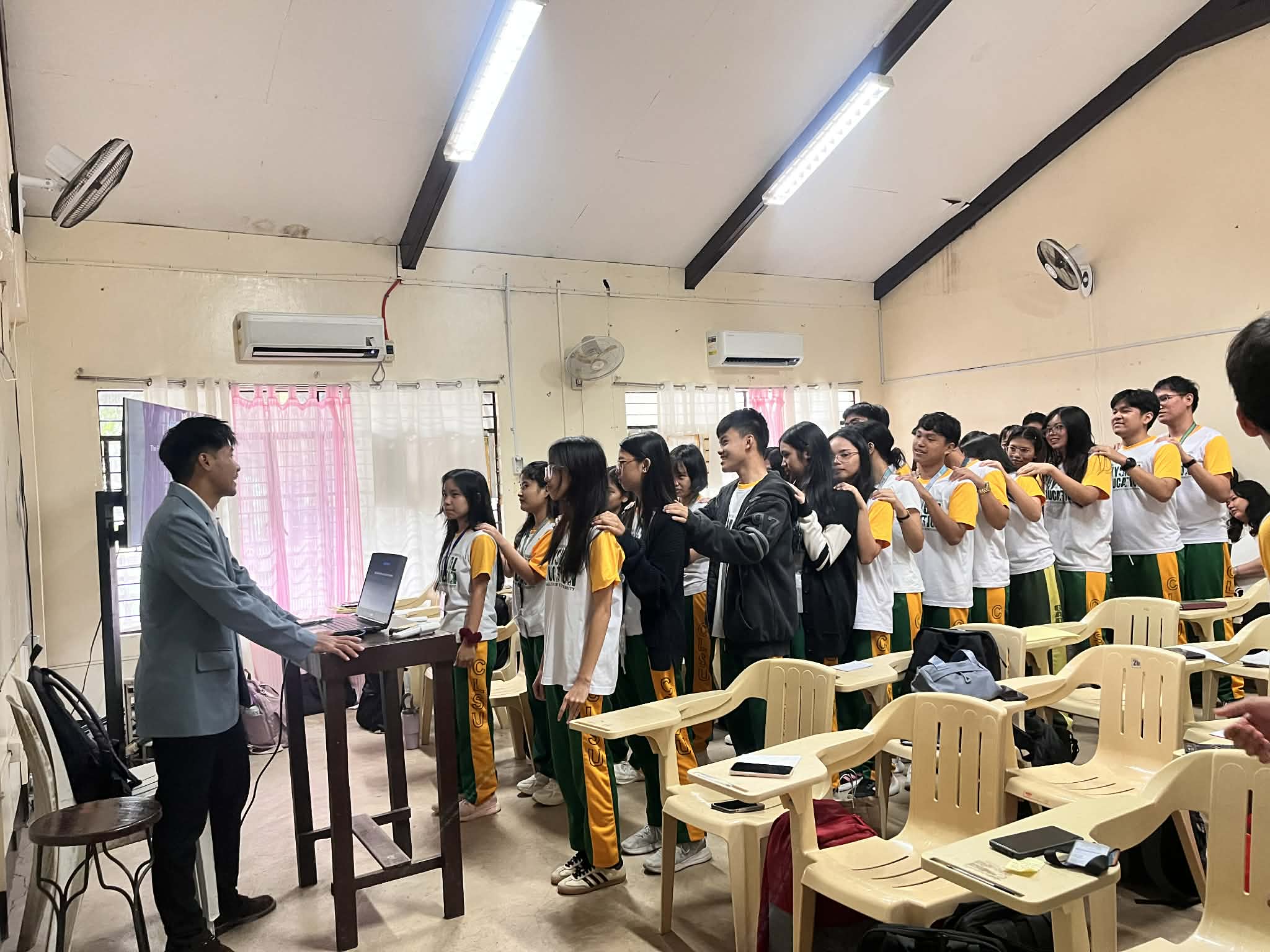
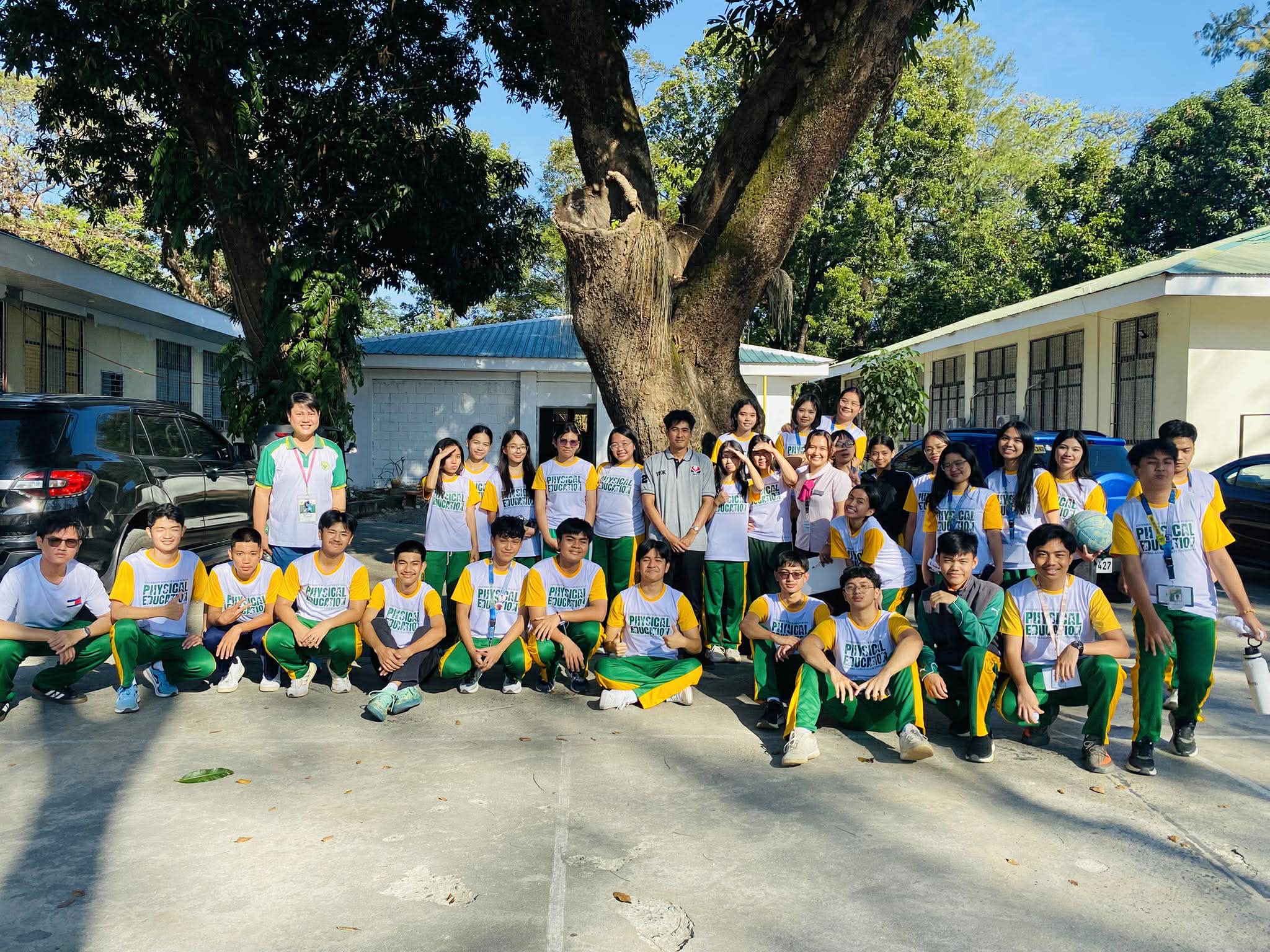
Teaching Practice Gallery
Visual documentation of program activities
Learning from Teaching Practice
Academic insights and professional growth derived from instructional execution
Auditory Management
Mastery of voice projection and strategic whistle utilization to command attention in open-field learning environments.
Cross-Cultural Rapport
Building meaningful academic connections and mutual respect while operating outside one's native language context.
Professional Confidence
Significant enhancement of self-efficacy and instructional authority in international teaching context.
Pedagogical Precision
Improvement in delivering accurate, easily imitable visual instructions facilitating rapid psychomotor acquisition.
Subject Evaluation
Demonstrated competence in designing and conducting both individual and team-based psychomotor assessments.
Adaptive Strategies
Successful navigation of classroom communication barriers through kinesthetic-focused pedagogical methodologies.
Becoming an International Educator
“Effective cross-cultural physical education relies not solely on a shared spoken language, but on the universal vocabulary of movement, precise visual modeling, and highly adaptive instructional strategies.”
— SEA-Teacher Reflection Journal
Executing the teaching demonstrations as the core evaluation of the SEA-Teacher program provided profound insights into international educational standards. By conducting teaching practice across distinct disciplines—specifically basketball and volleyball—I developed robust capacity to manage diverse classroom dynamics. The invaluable mentorship from Sir Mark Alvin highlighted the absolute necessity of precise visual instructions and effective open-field auditory management to transcend language barriers. This rigorous process of execution, evaluation, and reflection has fundamentally strengthened my teaching competence, solidifying my foundation as a globally adaptable educator equipped to foster learning in any cultural context.