Creating Lesson Plans
Designing Meaningful Physical Education Experiences
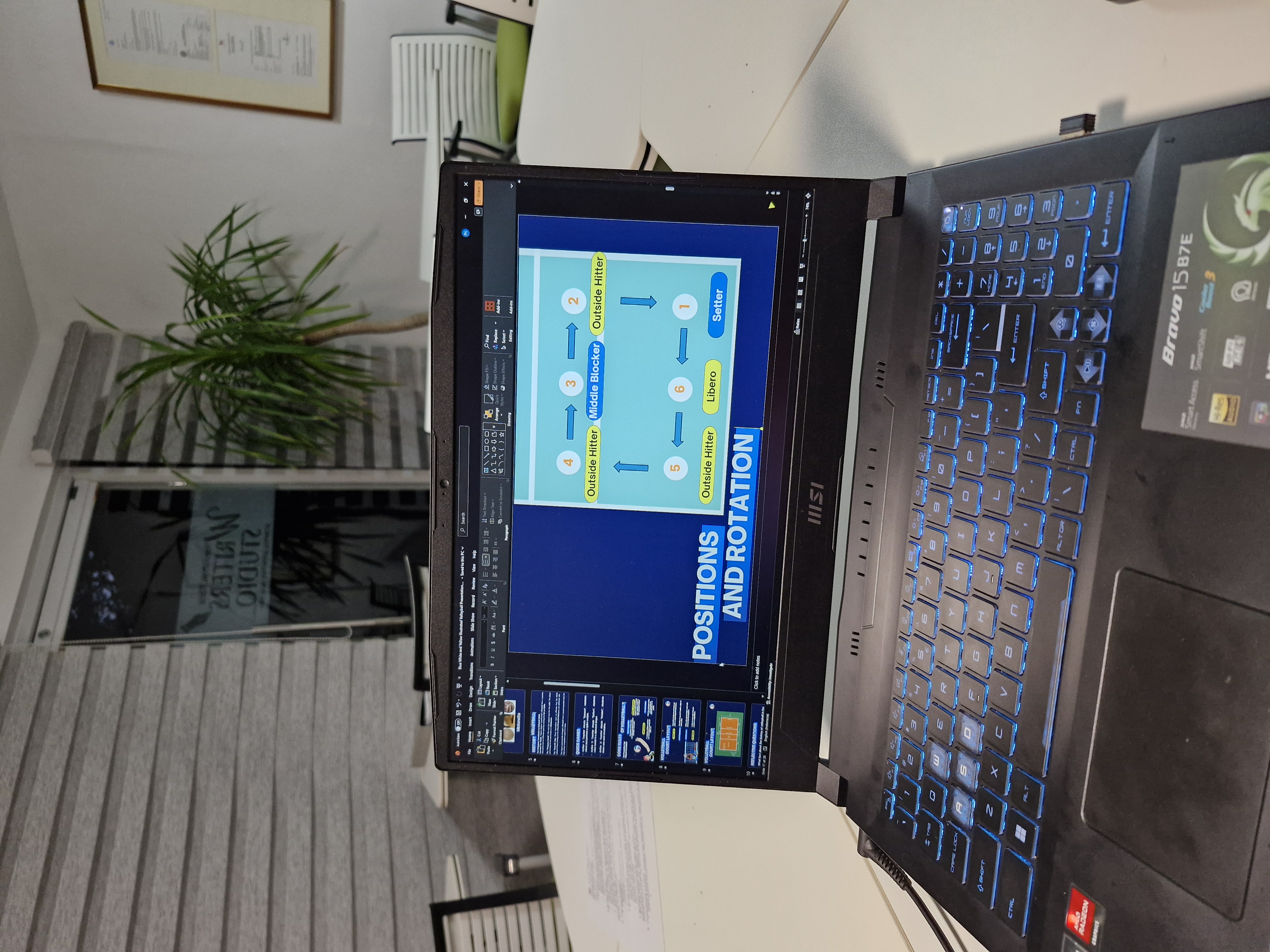
Lesson plan development is a creative and strategic process to design effective learning experiences. Through collaboration with local mentors, I developed innovative PE-11 lesson plans for Basketball and Volleyball that are relevant to the local curriculum and responsive to students' physical development needs.
Participants
Grade 11 (Voyagers & Originators)
General Overview
Important and concise information about this activity
12+ Comprehensive Plans
Designing and developing various detailed lesson plans, specifically focusing on Basketball foundations and Volleyball mechanics.
Methodological Innovation
Integrating modern teaching methods such as the "Integrated Circuit Drill" for Basketball and "Verbal Command Drills" for Volleyball.
Curricular Adaptation
Tailoring content to bridge global history with local contexts, such as the 1916 Philippine contribution to Volleyball.
Continuous Evaluation
Setting up effective formative and summative assessment mechanisms, including tactical scenario analysis and skill rubrics.
Lesson Plan Development Process
Key stages and components in designing quality instruction
Adaptive Curriculum Design
The process of designing lesson plans that align with local standards while remaining innovative.
- Learning Outcomes Analysis: Ensuring students understand technical reasoning, such as the 24-second shot clock in Basketball
- Structured Content Mapping: Tracing the evolution of sports from their origins (James Naismith & William Morgan) to modern tactical play
- Student Context Alignment: Adjusting physical drill intensity to match the energy levels of Grade 11 students
- Cross-Cultural Integration: Integrating cultural milestones, such as the "Philippine Bomb" (Spike), into the global history of sports
Instructional Material Development
Creating engaging, informative materials suited to the students' cognitive levels.
- Accurate Content Development: Detailing player positions (PG to Center in Basketball; Libero to Setter in Volleyball)
- Engaging Activities: Designing the "Chain System" for Basketball transitions and "Shadow Practice" for Volleyball techniques
- Interactive Worksheets: Creating court diagrams for students to map out clockwise rotations and tactical movements
- Resource Preparation: Utilizing high-quality presentation slides and match highlights to spark visual interest
Learning Technology Integration
Leveraging modern tools to enhance instructional effectiveness.
- Multimedia Utilization: Using illustrative slides to demonstrate the mechanics of a Lay-up or a Spike
- Digital Content: Incorporating video clips like "A Brief History of Basketball" to initiate class discussions
- Interactive Tools: Using verbal and visual cues to improve students' reaction times during field simulations
Assessment & Evaluation
Designing a comprehensive system to measure learning objectives.
- Clear Assessment Rubrics: Evaluating Affective (Collaboration), Psychomotor (Speed/Accuracy), and Cognitive (Analysis) domains
- Formative & Summative Design: Implementing "Quick Quizzes" on court dimensions and "Professional Player Profile" assignments
- Constructive Feedback: Providing instant on-court feedback to help students refine their techniques in real-time
- Improvement Analysis: Reviewing simulation outcomes to improve pedagogical strategies for future sessions
Planning Documentation
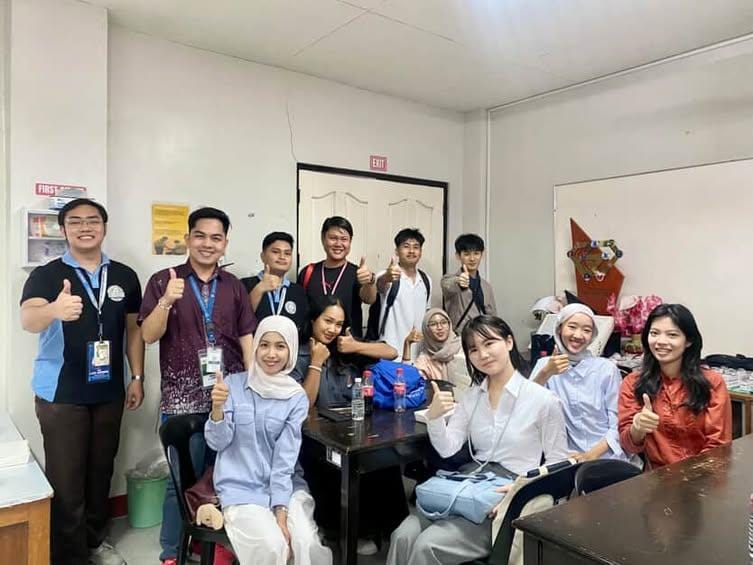
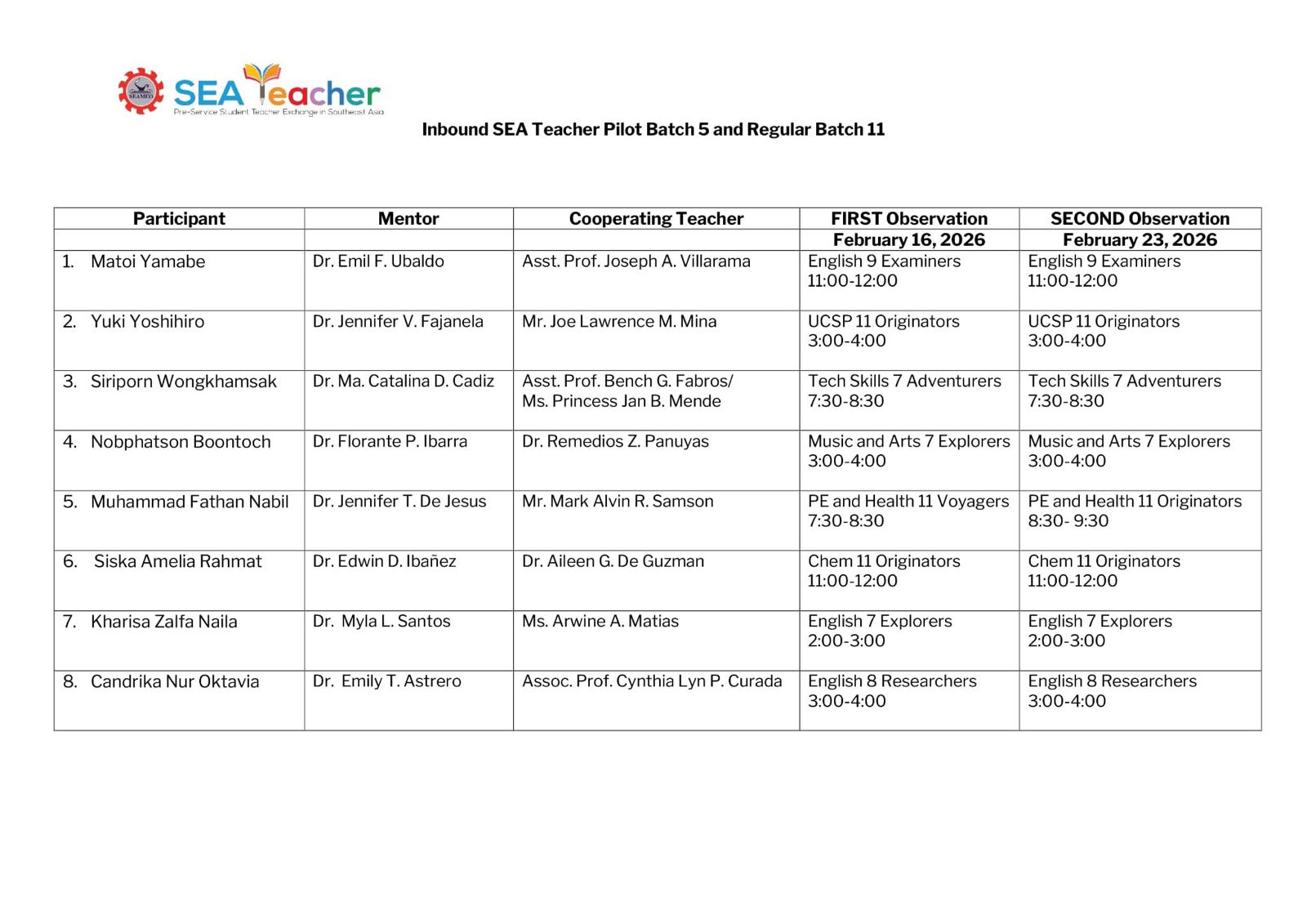
Visual documentation of program activities
Lesson Plan Resources
Access comprehensive lesson plans and materials developed through first and final demonstrations, showcasing best practices in Physical Education curriculum design
Lesson Plan: First Demonstration - Basketball
Complete Basketball lesson plans covering fundamentals, technical skills, and tactical applications for Grade 11 students.
Lesson Plan: Final Demonstration - Volleyball
Comprehensive Volleyball lesson plans including rotations, positioning, serving techniques, and game strategy for Grade 11 students.
All lesson plans are organized in Google Drive folders for easy access, sharing, and collaborative review. Materials include detailed lesson structures, assessment rubrics, teaching strategies, and student activity sheets.
Learning from Planning
Insights and valuable experiences from the planning process
Systematic Design
Learning that a well-structured drill ensures maximum student participation with minimal downtime
Outcome Focused
Focusing on clear achievement targets, from understanding history to executing technical skills
Pedagogical Creativity
Combining creativity with teaching principles to turn complex rotations into fun, responsive games
Student-Centered
Allowing students to engage with the material through their own lens, such as analyzing their favorite pro players
Continuous Improvement
Refining lesson flows based on real-world classroom observations and mentor feedback
Cultural Integration
Recognizing that sports are a universal language enriched by diverse historical contributions
The Art and Science of Planning
“Planning a lesson is not just about meeting competencies; it is about creating moments that inspire students to embrace an active lifestyle for a lifetime.”
— Reflections of a Student Teacher (Muhammad Fathan Nabil)
The process of designing these Basketball and Volleyball plans has taught me how thoughtful instructional design can significantly impact the student learning experience. Every element, from learning outcomes to assessment, must be designed with intentionality. Collaboration with local mentors has provided invaluable perspectives on the context of learning and students' specific needs. This experience strengthens my commitment to being a thoughtful and student-centered educator.